The New Iceland Heritage Museum celebrates the heritage of Manitoba’s Icelandic community in Gimli. Situated on the west shore of Lake Winnipeg, the town is a popular destination for visitors from the province’s capital, Winnipeg.
Linda’s Pick of the Exhibits
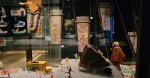
I found the permanent exhibit — Iceland Rocks! A Fiery Saga, intriguing. It featured a display of volcanic rocks and minerals from the Icelandic Institute of Natural History.
In fact, Icelandic Rocks! is the largest collection of Icelandic rocks and minerals outside of Iceland. For me, it was one of the museum’s most fascinating exhibits.
Fast Fact: One-third of the lava that has flowed on earth in recorded history has come from Iceland.
Lots of bits of information about rocks were included in the display. For example, did you know that rocks are made up of one or more minerals? Stones, however, are small pieces of rock or mineral, or any rock or mineral that has been shaped or finished.
Many years ago, I loved to curl. So it was interesting to learn that despite the name, a curling rock is actually a stone!

Some magnetic stones, also known as magnetites, are formed when lava cools. How? The cooling process makes the iron ions combine and create magnetic crystals.
Old stories have it that magnetic stones were very useful in ancient Iceland. What for? To expose thieves. Wonder how that works?
The names of suspects were written on a piece of paper. A magnetic stone was placed near the names. If you believe the lore, the stone was drawn towards the name of the guilty person.
What’s in the New Iceland Heritage Museum?
The New Iceland Heritage Museum as a treasure trove of information on the history of New Iceland and Gimli. It curates the story of the Viking presence in Canada, weaving in Icelandic culture and traditions.
Housed in The Waterfront Centre, the museum is a year-round attraction. Your visit begins with an informative video that sets the stage to follow through all of the displays.

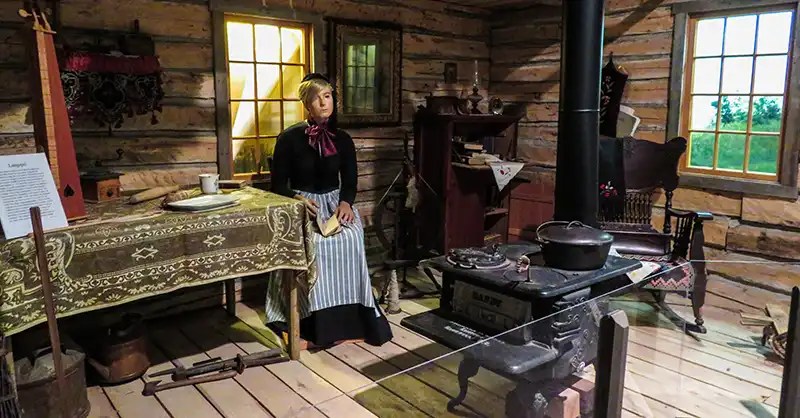
In addition to Iceland Rocks! you’ll also find a comprehensive story of New Iceland. It includes recreations of various aspects of the settlement, a timeline mural, and many historic facts.
Fast Fact: The Midgard (Miogarour) serpent was one of the children of Loki, a Norse god. Odin, King of the Gods, cast the serpent into the sea. It grew so large that it encircled Midgrd (the Earth). When it moves, the earth shakes. This myth explained the many volcanoes erupting in Iceland.
As well as permanent exhibits, the museum also hosts temporary and traveling exhibits related to the collection.
Why did so many Icelandic people immigrate to Manitoba?
Iceland was originally called Thule. It was first discovered by the Greek explorer, Pytheas, around 325 BC. It took a number of centuries for settlers to migrate and settle the island. Many moved there from Scandinavian countries, especially Norway, as well as the British Isles.
By 930 AD, chieftans had established a form of governance. Centuries of sagas of changing political formations followed.
However, between 1870 and 1915, many left the island to settle elsewhere. Why? Volcanic eruption sent about 1/4 or 20,000 people looking for new homes. The climactic change and economic conditions that followed made life difficult.
Many of those immigrants ended up in Canada, in fact, Manitoba is home to the largest Icelandic population outside Iceland.
Linda’s Road Trip Tips
We visited the New Iceland Heritage Museum during the annual Icelandic Festival of Manitoba. Held every summer, it’s a great event with tons of things to do. I highly recommend it for families to give the kids a taste of history.
My favorite parts were the Viking Village and the daily demonstrations of Viking age warfare, tactics, and more. There are even several days of Viking battles!

While you’re in Gimli, you should also visit:
We stayed at the Lakeview Resort Gimli. It’s comfortable and is right on the harbourfront, so the ideal place to enjoy the Festival.
Who Should Visit the New Iceland Heritage Museum?

The museum will be particularly interesting to anyone with Icelandic or Scandinavian ancestry. Many interesting artifacts show their rich culture and traditions.
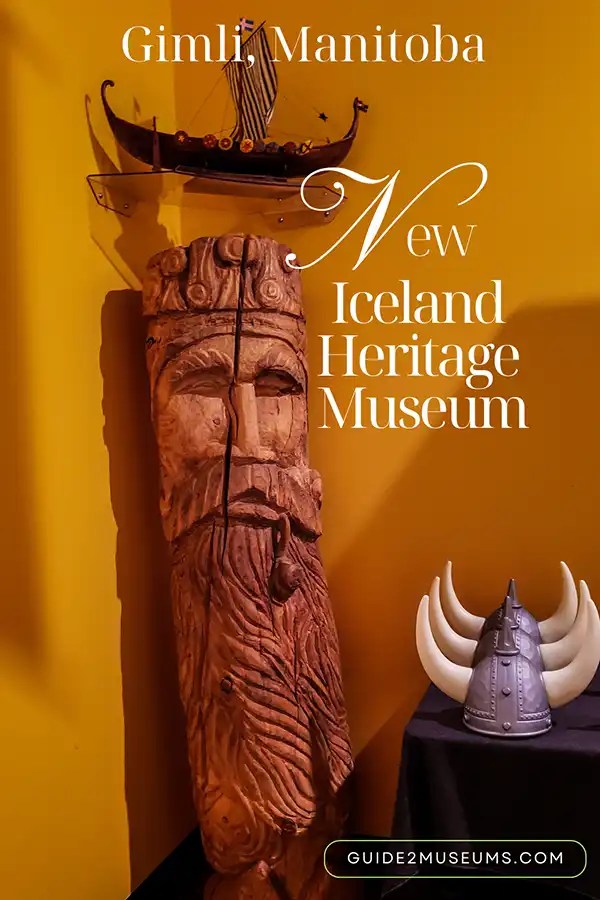
It will also be an interesting stop for anyone interested in exploring Canada’s cultural mosaic.
Signage in the museum is good, so it’s easy to identify the artifacts and their purposes.
The museum is small, so it only took us an hour to go through the displays.
They do conduct tours in English, French, and Icelandic during parts of the year. Tours are typically one-and-a-half to three hours long.
How Do You Visit the New Iceland Heritage Museum?
The New Iceland Heritage Museum is located in the town of Gimli, about 90 km (55 miles) from Winnipeg, Manitoba.
Parking: There's ample free parking outside the museum and throughout the town. Of course, during the Icelandic Festival things can get busy!
The museum is open year-round, however, you can heck days and hours open on their website.
Keep up-to-date with what’s happening at the museum with The New Iceland Heritage Museum Facebook page.
Take a virtual tour of the museum with the Interlake Tourism Association on YouTube.
Plan your visit with Google maps.

More Things to See and Do in Manitoba
Read more museum reviews on guide2museums.ca for museum attractions in Manitoba.
Explore More Heritage Museums
- Boot Hill Museum: Kansas Wild West Myth Meets Lived History
- Maple Creek’s Intriguing Jasper Cultural & Historical Centre

- Front Street Cowboy Museum: Ogallala, Nebraska

- Discover the Mormon Handcart Historic Site & Devil’s Gate in Wyoming

- See 100 Miles Across Nebraska From Scotts Bluff National Monument

- Standout Ranching History at the MonDak Heritage Center: Sidney, Montana

- New Iceland Heritage Museum: Gimli, Manitoba, Canada
- Crazy Horse Memorial & Museums: South Dakota’s Black Hills
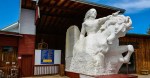
- Myra Museum: Lustron House & More in Grand Forks, North Dakota
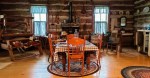
- Fort Cody Trading Post: Miniature Wild West Show in North Platte, Nebraska

- Miracle of America Museum: 40+ Buildings in Polson, Montana

- Sukanen Ship Pioneer Village & Museum: Moose Jaw, Saskatchewan

- Museum of Northern British Columbia: Indigenous Art & History in Prince Rupert, British Columbia
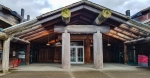
- Heritage Village: Museum in Weyburn, Saskatchewan
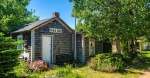
- Vermilionville: Living History Open Air Village in Lafayette, Louisiana

- Museum of the Southern Jewish Experience: New Orleans, Louisiana

- National Doukhobor Heritage Village: Veregin, Saskatchewan

- Bonanzaville: Open Air Pioneer Village Museum in Fargo, North Dakota
- Range Riders Museum: Old West Lives Again in Miles City, Montana




 guide2museums.com